
2026 Utah Language Access Conference: Embedding Humanity into the Future #ULAC26


Many Thanks for Our Sponsors, who made ULAC26 possible!
Gold Sponsors


Silver Sponsor


Bronze Sponsor


Venue Sponsor

1 year membership: $40 ($20 for students).
Please take our post-event survey to help us improve future ULAC events.
About ULAC (Click to expand)
The Utah Language Access Conference (ULAC) is a joint effort from key stakeholders in language access and interpretation in the state of Utah, coming from varied organizations and industry backgrounds, including interpreters, translators, trainers, language companies, and consumers.
The Utah Translators and Interpreters Association (UTIA) is a non-profit organization comprised of, and formed by, language professionals in Utah. UTIA’s goal is to advance and elevate the quality and availability of language services in Utah, and work for the development of the language access professions.
ULAC provides educational and networking opportunities for interpreters and translators working in healthcare, education, the legal field, and in the community at large.
Interpreters, translators, trainers, hospital and clinic administrators, compliance officers, language program coordinators, language companies and service providers from Utah and surrounding states are invited to gather for two days to share knowledge, enhance skills, exchange new policy trends and engage in other emerging topics impacting language access.
Our conference attracts professionals for spoken languages and ASL, and provides continuing education units (CEUs) for certified professionals (ATA, CCHI, NBCMI, RID, UIP, AOC).
The Utah Language Access Conference was held in 2018, 2019 and 2024. We had over 150 attendees each session/day from 8 different states (see comments from attendees at utianet.org). This year we hope to host a larger group of interpreters, translators, industry stakeholders and students. As one of the very few states in the nation with a State Certification program for both ASL and spoken language medical interpreters, industry leaders from around the country look to Utah for direction and inspiration, and you can share that spotlight by being part of this event. Linguists are eager to expand their careers and are looking for agencies, educators, and industry leaders who support their goals.
Call for presenters is now closed. A tentative agenda will be shared shortly.
Agenda: Presentations and Workshops (Click each category to expand)

Click on the categories below to learn about the great presentations and workshops that will be included, and learn more about our presenters. Continuing education credit for certified professionals have been requested. see status in the agenda (CEAP/CCHI, IMIA/NBCMI, RID, UIP, ATA, and AOC (Utah Courts)).
It’s conference week! We are excited to see you this weekend at the 2026 Utah Language Access Conference: Embedding Humanity into the Future. Here is some useful information to help you prepare for and get the most out of your ULAC26 experience.
Dates & Times:
Friday, September 18, 2026: 8 am – 9 pm
Saturday, September 19, 2026: 8 am – 4 pm
Meals:
- Continental breakfast will be served between 8 am – 8:45 am.
- Lunch will provided (vegetarian and gluten-free options will be available for those who requested them in advance). The Union building also has restaurants and a Starbucks on site.
- Hot and cold hors d’oeuvres will be served during the reception.
- Water, coffee, and tea will be provided throughout the day, courtesy of the Weber State University Department of World Languages & Cultures.
Agenda: Check out the agenda on our website and plan your day(s). A printed copy of the agenda will be provided when you check-in, along with your conference bag.
Venue: Weber State University, Shepherd Union Building
(The parking address is 4444 Event Center Drive, Ogden UT 84408)
Free Parking: Free parking is available at the Dee Events Center. From there, take the campus shuttle to the Shepherd Union Building. Please plan on arriving early to account for the shuttle service. Our volunteers will be ready to receive and guide you.
When you get off the shuttle, enter the Shepherd Union building through the south doors, on the second floor. Go to the 3rd floor for registration, exhibitors, student posters, meals, coffee breaks and the rooms for the breakout sessions.

The welcome and farewell messages, keynote address and award presentations will take place at the Wildcat Theatre on the 2nd floor.
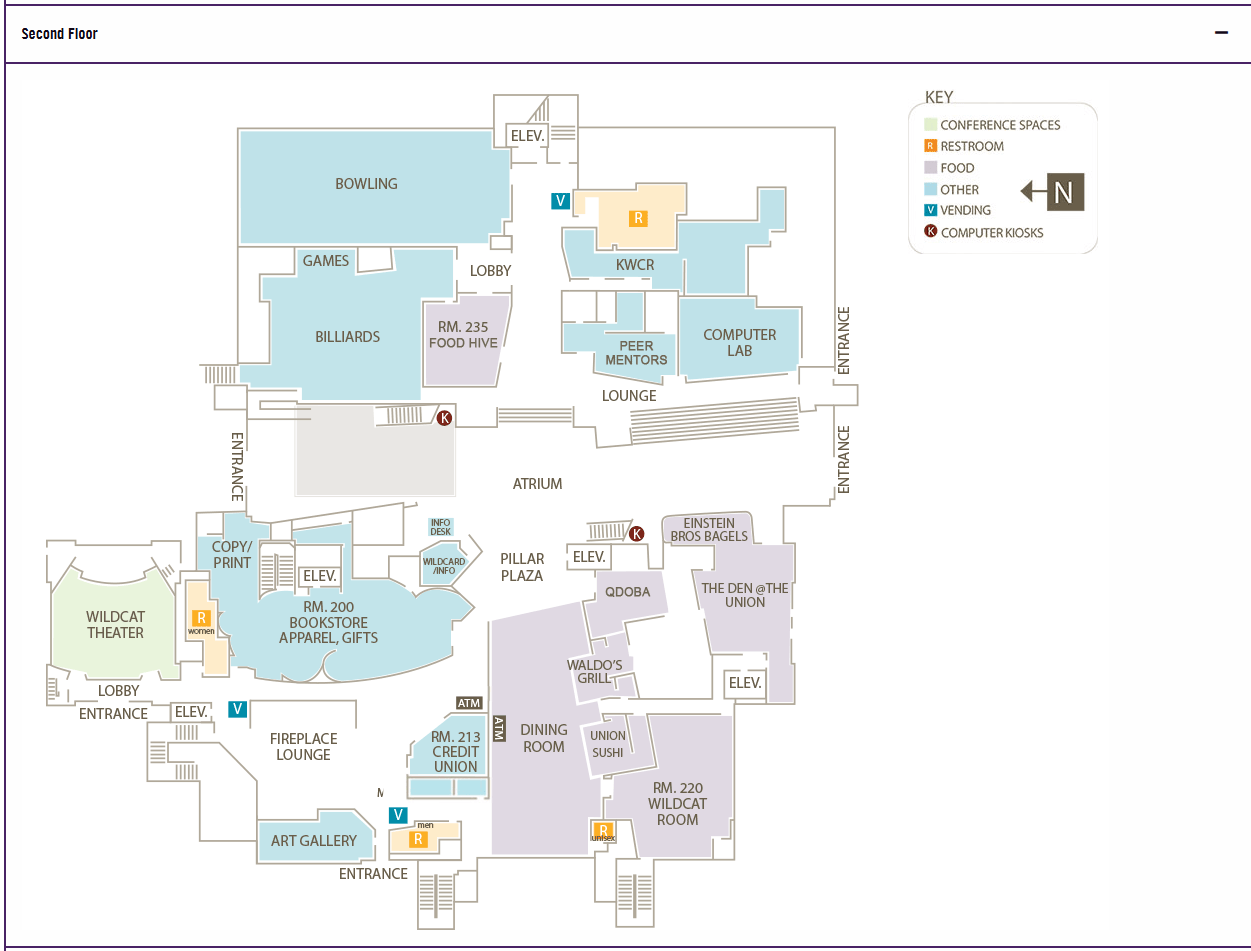
The Friday afternoon workshops will take place on the 4th floor.

Friday’s Reception (6 pm – 9 pm): At 5:30 pm a shuttle will transport you from the Shepherd Union Building to Dumke Hall for the reception. This is a great opportunity to let loose and enjoy great food and music while meeting old friends and making new ones. After a short piano recital, our DJ will get you dancing the night away! The shuttle will then take you from Dumke Hall to the Dee event center parking.
Transportation
Options from the airport to Ogden: To get from Salt Lake City International Airport to Ogden using UTA, take the TRAX Green Line train to North Temple Station, then transfer to the northbound FrontRunner commuter train straight to the Ogden Central Station. [1, 2]
Step-by-Step Route
- Step 1: Board the TRAX Green Line (light rail) right outside the airport terminal.
- Step 2: Ride for about 14 minutes (5 stops) and get off at North Temple Station.
- Step 3: Go down to the ground-level platform at North Temple Station.
- Step 4: Board the northbound FrontRunner train (Route 750) heading toward Ogden.
- Step 5: Ride for about 51 minutes and exit at the Ogden Central Station. [1, 2, 3]
Travel Details
- Total Time: Around 1 hour and 15 minutes total travel time.
- Cost: Fares are distance-based. You can pay using a UTA FAREPAY card or buy a ticket at the station platform kiosk. Check the UTA Trip Planner for live schedules. [1]
Public transport in Ogden to Weber State Campus: The main transit route from Ogden Central Station to Weber State University is the Ogden Express (OGX) Schedule via the Utah Transit Authority.
Primary Bus Routes
- OGX (Route 603X): Runs frequently (every 10 minutes on weekdays) from Ogden Central Station (Bay M) straight to Weber State Central Station near the Shepherd Union Building. It is currently zero-fare.
- Route 625: Travels from the Ogden transit area along Harrison Blvd directly to the university campus (Edvalson stops).
- Route 455: Connects Weber State University to Davis County and the University of Utah. [1, 2, 3, 4, 5]
Campus Shuttles & Fares
- Wildcat Shuttle: Runs every 10 minutes between the Dee Events Center, Wildcat Village, and the Shepherd Union Building. Parking at the Dee Events Center and taking this shuttle is free. [1]
- Ed Pass: Eligible WSU students, faculty, and staff can ride all regular UTA buses and FrontRunner trains at no cost using their Weber State University transit pass. [1, 2]
Exhibitor Hall: Our sponsors and exhibitors make ULAC possible, and they will be ready to meet and network with you. We invite you to visit their booths to learn about their services and career opportunities. You will receive an exhibitor hall card to mark those you visit. Once you fill the card you can turn it in at the registration desk to enter a raffle for prizes provided by our sponsors and UTIA. The raffle will take place on Friday during the reception and Saturday during the closing remarks.
Continuing Education Credit (CEU): We have secured continuing education units for various certifications. You must attend all sessions for which you wish to claim credit. Specific instructions for your credential will be provided at the registration desk, and volunteers will be available at each session to facilitate signatures, codes or QR codes.
- 1.0 CEU/10 CEH RID & UIP
- 10 CE CEAP/CCHI
- 1.0 CEU IMIA/NBCMI
- 10 CE ATA
- 10 ACO (Utah Courts)
We look forward to seeing you at the conference and creating great memories together. Thank you for your support.
Key Note Address: The Human Advantage in Language Access Services
The Human Advantage in Language Access Services
Drawing on current research in legal, medical, and educational settings, this keynote invites language access professionals to define and defend the human advantage: ethical decision-making, relational expertise, and cultural responsiveness that are central to embedding humanity in language access services.
CEUs: Approved 1 CE CEAP/CCHI, 0.1 CEU IMIA/NBCMI; 1 CE RID/UIP; 1 CE ATA
Abstract
At a time when there are growing calls to adopt technological solutions to streamline workflows, reduce costs, and eliminate the need for human intervention in many tasks, working professionals across every field are questioning their roles and how best to position themselves in the face of AI systems. Language access services are not immune to these developments, with some advocates of automation arguing that translation and interpreting are solved problems that no longer require human involvement. Yet, language access professionals regularly see the value of human connection when providing these services, with countless examples of how individuals make a difference in the provision of language services. This presentation asks how language access professionals can better articulate the value, benefits, and strengths of human-provided language services. It also questions how we can embed humanity as a primary value in translation and interpreting that resists total technological replacement. Drawing on current research in legal, medical, and educational settings, this keynote invites language access professionals to define and defend the human advantage: ethical decision-making, relational expertise, and cultural responsiveness that are central to embedding humanity in language access services.
Presenter

Christopher D. Mellinger is Professor of Spanish interpreting and translation studies at UNC Charlotte. He is the co‑editor of the academic journal Translation and Interpreting Studies and the editor of the Routledge Handbook of Interpreting and Cognition. He has co-edited several volumes on the intersection of translation and interpreting technologies, language access, and community translation and interpreting, and he regularly publishes on questions related to TI ethics, language access, and evolving translation technologies.
2-hr. Skill Building Workshops (4 sessions)
Think Fast, Interpret Faster: Multitasking Strategies for Real-Time Interpretation
A hands-on 2-hour workshop that helps interpreters strengthen multitasking, retention, and real-time accuracy during simultaneous interpretation.
CEUs: Approved 2 PB CE CEAP/CCHI, 0.2 CEU IMIA/NBCMI; 2 CE RID/UIP; 2 CE ATA
Abstract
This interactive presentation equips interpreters with practical strategies for managing the intense cognitive demands of simultaneous interpretation. Through guided exercises, participants will explore how purposeful multitasking can strengthen performance without sacrificing accuracy. The session highlights ways to engage four of the five senses to improve information retention, sharpen attention, and support faster processing in real time. It also addresses common challenges such as tracking dates, times, and references while listening, writing notes, speaking, and interpreting at once. Attendees will leave with techniques for organizing information under pressure, reducing overload, and responding more confidently during live talks. Designed for language professionals and trainees alike, this presentation offers a hands-on approach to building focus, memory, and interpreting agility. Participants will practice applicable methods for everyday interpreting settings.

Daniel M. Gonzalez was born in Mexico City, Mexico, and moved to the United States at age 14. He later earned a B.A. in French and Spanish Teaching from the University of Utah. He brings 30+ years of combined interpretation and translation experience with The Church of Jesus Christ of Latter-day Saints, the FBI, the DEA, and the State of Utah. His work includes interpreter development, training design, quality assurance, and multilingual program leadership across 130+ languages and five continents. He studied abroad in Mexico, France, and Switzerland and speaks English, Spanish, and French.
Reading Between the Lines: Decoding English Idioms
Hands-on 2-hour workshop: How to interpret English idioms used by doctors and convey their intended meaning clearly and accurately in another language.
CEUs: Approved 2 PB CE CEAP/CCHI, 0.2 CEU IMIA/NBCMI; 2 CE RID/UIP; 2 CE ATA
Abstract
What happens when a doctor says something that doesn’t translate literally? This presentation explores the challenges English idioms pose in healthcare communication and their impact on language access. It examines how figurative language used by providers can create confusion for interpreters and multilingual patients, and offers practical strategies for accurately conveying intended meaning across languages. Attendees will gain tools to recognize idiomatic expressions, avoid misinterpretation, and promote clearer, more equitable communication in clinical settings.

Nidia Warner holds a degree in International Studies with a concentration in Peace Studies and minors in French and Chinese. They are a certified healthcare interpreter with over seven years of experience in healthcare communication and language access. Currently serving as the Language Services Manager for the Peaks Region at Intermountain Health, they oversee interpreting services and support equitable communication across diverse patient populations. Their work is informed by both professional expertise and lived experience with multilingual and idiomatic language, allowing them to address the challenges of figurative speech in clinical settings and advance effective cross-cultural communication.
Hands-on Sight Translation Workshop
A hands-on 2-hour workshop (qualifies for performance-based continuing education credit) that will give interpreters space to actively practice sight translation and receive/give feedback from/to peers.
CEUs: Approved 2 PB CE CEAP/CCHI, 0.2 CEU IMIA/NBCMI; 2 CE RID/UIP; 2 CE ATA
Abstract
This interactive, 2-hour workshop (qualifies for performance-based continuing education credit) will briefly delve into the foundational principles of sight translation, viewing it as a type of simultaneous interpreting. The vast majority of the time, however, will be spent splitting participants into pairs and allowing them to actively practice sight translation with authentic texts from a variety of domains. When you aren’t sight translating, you’ll be observing, taking notes, and giving your partner(s) feedback. Participants will be given the tools to give excellent constructive feedback, and everyone will be given chances to repeat sight translations in order to implement feedback and improve.

Devin Gilbert is a translation/interpreting practitioner, educator, and researcher. He teaches Spanish Translation and Interpreting as an Assistant Professor at Utah Valley University’s (UVU) Department of Languages & Cultures, having undertaken his training at Wake Forest University’s Master’s in Interpreting and Translation Studies program and Kent State University’s PhD in Translation Studies program. Devin is also a board member of the Utah Translators and Interpreters Association and is a certified healthcare interpreter and educational interpreter for Spanish. In 2022, he started developing Terp, a web-based interpreting training platform that seeks to make quality, authentic interpreting practice dialogues more accessible and interactive.
The Interpreter’s Notebook: Memory Enhancement and Effective Note-Taking for Consecutive Interpreting
An interactive, 2-hour workshop (qualifies for performance-based continuing education credit) that equips interpreters with practical memory-building techniques and efficient note-taking strategies to improve accuracy, retention, and message delivery during consecutive interpreting assignments.
CEUs: Approved 2 PB CE CEAP/CCHI, 0.2 CEU IMIA/NBCMI; 2 CE RID/UIP; 2 CE ATA
Abstract
Consecutive interpreting requires interpreters to accurately retain, organize, and reproduce information while managing cognitive load and maintaining effective communication between speakers. While note-taking is often viewed as the primary tool for consecutive interpreting, successful performance depends on a balance between memory skills and strategic note-taking.
This interactive workshop explores the relationship between memory and note-taking in consecutive interpreting and provides practical techniques that interpreters can immediately apply in medical, legal, community, and conference settings. Participants will learn how to improve active listening, strengthen short-term memory retention, identify key information, and develop efficient note-taking systems based on concepts rather than words.
Through guided practice, participants will explore memory exercises, symbol development, vertical note-taking structures, logical linking techniques, and methods for recording numbers, dates, and specialized terminology. The workshop emphasizes meaning-based interpreting rather than word-for-word recall and demonstrates how effective note-taking can support rather than replace memory.

Dr. Elsa Perez is an Assistant Professor and Co-Director of the Translation and Interpretation Program at Utah State University, where she also directs the Medical Interpreting Program. With more than 20 years of experience as a professional translator, interpreter, educator, and trainer, her work focuses on interpreter education, language access, healthcare communication, and emerging technologies in translation and interpreting. She develops workforce training programs for students and community members and researches innovative teaching methods that strengthen interpreting skills, learner confidence, and professional readiness in medical, legal, and community interpreting settings.
1-hr. Presentations (15 sessions)
The Limited Spanish Proficiency Problem: Identifying speakers of Indigenous languages and removing obstacles to Indigenous language access
Speakers of Indigenous languages, in addition to having limited English proficiency, also frequently have limited proficiency in colonial or global languages, like Spanish, making it difficult to identify and adequately serve them.
CEUs: Approved 1 CE CEAP/CCHI, 0.1 CEU IMIA/NBCMI; 1 CE RID/UIP; 1 CE ATA
Abstract
As a society in the US, we have generally come to grips with the idea that language access is essential to ensuring that individuals and families have their rights and dignities respected and effectively understand and are understood in critical situations, such as in legal and healthcare scenarios, so that optimal outcomes are achieved. We still have work to do as an industry to ensure people who don’t speak English receive language access, but we have even more work to do for individuals and communities who, in addition to having limited English proficiency, frequently have limited proficiency in another colonial or dominant language. These individuals often go under the radar, are misclassified as speakers of a language that is not their native language, and too often face unethical remedies such as familial interpreters. We can do better, and this presentation will discuss how!

Jace Norton discovered a love for languages while volunteering as a missionary for two years in Guatemala where he learned Spanish and Q’eqchi’ (Kekchi), a Mayan language, fluently. He was eventually recruited to work as a Q’eqchi’ interpreter where he began to understand the considerable demand for indigenous language services in the US. Jace felt compelled to do more for indigenous language access than he could do on his own and founded Maya Bridge in 2021. Since then, he and his team have worked towards filling the niche need for services in indigenous and other lower-diffusion languages.1
Don’t you DARE forget about the patient!
Helping patients and families navigate healthcare in a technology-driven world.
CEUs: Approved 1 CE CEAP/CCHI, 0.1 CEU IMIA/NBCMI; 1 CE RID/UIP; 1 CE ATA
Abstract
Come explore various practices that either prevent or facilitate equitable access, focusing on the common avenues of communication for patients, students. and families seeking services in systems that are difficult to navigate, especially with language barriers. Between technology, bilingual staff and availability of professional interpreters, healthcare and school systems can create a culture of language access through the small and simple changes in policy, processes and protocols.
Dale lundstrom is a Certified Healthcare Interpreter (CHI) with nearly a decade of experience in language access. After graduating with a BA in Spanish Translation from Brigham Young University, he started contracting and working part time at a children’s hospital in the Salt Lake area. He now provides interpretation training courses to both the Mountain West area as well training and language testing throughout the Intermountain Health service area.
Spirituality and Reverence: Preparing for Interpreting Religious Conversations
Prepare terminology and strategies for smooth interpretation when patients are utilizing spiritual services or ceremonies.
CEUs: Approved 1 CE CEAP/CCHI, 0.1 CEU IMIA/NBCMI; 1 CE RID/UIP; 1 CE ATA
Abstract
Patients and families admitted to hospitals oftentimes look for support services, including spiritual or religious support. Interpreting in those scenarios can be tricky when we are not prepared for prayers, rites or ceremonies that may happen there in the hospital with chaplain services or spiritual counselors. In this discussion, take a look the different scenarios interpreters may find themselves searching for the right terms from the cultural depth of religion and spirituality, including common prayers or beliefs that patients may use when describing to healthcare providers what they need.
Dale lundstrom is a Certified Healthcare Interpreter (CHI) with nearly a decade of experience in language access. After graduating with a BA in Spanish Translation from Brigham Young University, he started contracting and working part time at a children’s hospital in the Salt Lake area. He now provides interpretation training courses to both the Mountain West area as well training and language testing throughout the Intermountain Health service area.
Bridging the Interpretation Gap: Understanding the Disconnect Between Recognized Need and Utilization of Professional Medical Interpreters
This presentation examines why professional medical interpreters are used only one-third of the time despite recognized need, exploring the systemic barriers, financial impacts, and lived experiences of certified interpreters to offer evidence-based solutions for improving language access for Limited English Proficient patients.
CEUs: Approved 1 CE CEAP/CCHI, 0.1 CEU IMIA/NBCMI; 1 CE RID/UIP; 1 CE ATA
Abstract
In an era of shifting healthcare landscapes and evolving patient demographics, professional medical interpreters serve as steady voices bridging communication gaps for Limited English Proficient (LEP) patients. However, a critical disconnect exists between healthcare providers’ recognition of interpretation needs and their actual utilization of professional interpreters. This phenomenological study examines the lived experiences of qualified and certified medical interpreters working with Spanish-speaking LEP patients to illuminate this persistent gap and its profound impact on patient outcomes. Through in-depth interviews with experienced medical interpreters (minimum 3 years’ experience) working across onsite, over-the-phone (OPI), and video remote interpreting (VRI) modalities, this research reveals that professional interpreters are utilized only one-third of the time during medical encounters, even when providers identify the need for interpretation services. This utilization gap contributes to adverse patient events, with an estimated annual cost of $3.4 billion in preventable complications for LEP patients. The study findings highlight the paradox facing healthcare institutions: while federal mandates (Title VI, ACA Section 1557, CLAS standards) require language access, systemic barriers—including cost concerns ($45-150/hour for in-person services, $1.25-3.49/minute for remote services), inadequate staffing models, and lack of 24/7 qualified interpreter availability—perpetuate underutilization of professional services. Despite the proven benefits of professional interpreters in reducing medical errors, decreasing malpractice risk, and improving patient comprehension and satisfaction, the gap between need recognition and service utilization remains a persistent challenge. This presentation will explore the interpreters’ perspectives on navigating these “shifting sands” of healthcare delivery while maintaining their role as “steady voices” for LEP patients. Key discussion points include: the hidden costs of interpreter underutilization, strategies for improving integration of professional interpreting services, and recommendations for healthcare institutions to bridge the utilization gap.
Dr. Patricia A. Alonzo is a trilingual medical interpreter (English, Spanish, ASL) with a Bachelor’s in ASL Interpreting, Master’s in Educational Leadership, and Ed.D. in Organizational Leadership focusing on health outcomes of Limited English Proficient patients in healthcare settings. Currently Director of Strategic Partnerships at Equiti Health, she combines interpreting expertise with strategic leadership. Her interpreting career began in Chicago as a trilingual freelance interpreter, then at Moffitt Cancer Center providing critical language services to LEP patients. During her decade at Stratus/AMN Healthcare, she experienced extensive professional growth in varying roles impacting the growth of the company. As VP of Language Operations at Universal Language Services, she led the organization through transformational growth. Dr. Alonzo holds national certifications (CMI, CHI) and frequently speaks on language access, cultural competency and legislation.
Designing Patient-Centered Language Access Tools: What Medical Interpreters Know That Technology Builders Need to Understand
A patient-centered presentation on how medical interpreters real world experience can inform the design of safer, more effective, and more human language access tools.
CEUs: Approved 1 CE CEAP/CCHI, 0.1 CEU IMIA/NBCMI; 1 CE RID/UIP; 1 CE ATA
Abstract
As language access technology continues to evolve, many tools are developed without fully incorporating the real-world experiences of medical interpreters or the needs of patients with limited English proficiency. This presentation explores how interpreters can contribute valuable insight into the design of language access solutions that are more effective, ethical, and patient-centered. Drawing from frontline experience in medical interpreting, the session highlights common breakdowns in communication, barriers to comprehension, patient anxiety, and gaps in continuity of care that interpreters regularly observe. Participants will examine how these lived realities can inform the development of more useful and humane technologies. Rather than treating interpreters as passive users of tools, this presentation positions them as key contributors to innovation in language access, helping ensure that future solutions remain grounded in safety, clarity, trust, and the patient experience.

Araceli Luna Domínguez is a Certified Healthcare Interpreter (CHI-Spanish) and a current medical interpreter at Intermountain Health. She has more than five years of experience in medical interpretation and works trilingually in Spanish, Portuguese, and English. Her professional background includes direct patient-provider interpreting in diverse healthcare settings, with a strong focus on patient understanding, communication quality, and language access. She is also the founder of UNIVOICE LLC, where she supports interpreter development and patient-centered language access solutions through practical, human focused approaches.
From Survival Mode to Strategic Practice: Using Technology to Elevate Medical Interpreting Performance
A practical session on how medical interpreters can use technology ethically to prepare by specialty, strengthen terminology, and improve performance.
CEUs: Approved 1 CE CEAP/CCHI; Pending: 0.1 CEU IMIA/NBCMI; 1 CE RID/UIP; 1 CE ATA; 1 CEU AOC
Abstract
Many medical interpreters work in “survival mode,” relying on last-minute preparation and inconsistent study systems. This presentation offers a practical framework for using technology strategically to improve preparation, accuracy, and confidence while maintaining ethical standards. Participants will explore how to prepare by medical specialty, build living glossaries, practice terminology and reformulation with AI tools, simulate medical scenarios, and strengthen sight translation with digital support. The session emphasizes practical methods that working interpreters can implement immediately in their professional routines. Rather than replacing the interpreter, technology is presented as a support that can enhance readiness, consistency, and patient-centered communication. This topic aligns with the future of language access by showing how innovation can remain grounded in human judgment, ethical responsibility, and real-world interpreting needs.

Araceli Luna Domínguez is a Certified Healthcare Interpreter (CHI-Spanish) and a current medical interpreter at Intermountain Health. She has more than five years of experience in medical interpretation and works trilingually in Spanish, Portuguese, and English. Her professional background includes direct patient-provider interpreting in diverse healthcare settings, with a strong focus on patient understanding, communication quality, and language access. She is also the founder of UNIVOICE LLC, where she supports interpreter development and patient-centered language access solutions through practical, human focused approaches.
Beyond Words: Human Cognitive Skills at the Heart of Interpreting Performance
Discover how to sharpen the universal cognitive “muscles”—such as memory, processing, and decision-making—through interactive exercises designed to strengthen the mental engine behind elite interpreting performance.
CEUs: Approved 1 CE CEAP/CCHI, 0.1 CEU IMIA/NBCMI; 1 CE RID/UIP; 1 CE ATA
Abstract
What if we told you the secret to better interpreting isn’t about learning more terms? Your language skills are what people hear, but your cognitive skills are what happens behind the curtain. As you listen, remember, process, decide, and self-correct (at lightning speed!), your brain is doing the heavy lifting. The Certification Commission for Healthcare Interpreters has studied interpreter performance for over a decade. In 2023, CCHI led a groundbreaking study to identify the mental superpowers supporting competent interpreting across all languages. Join us for interactive cognitive exercises that give your linguistic skills a rest while strengthening your interpreting mind.

Mateo Rutherford, CHI™-Spanish has been a freelance conference interpreter since 1987, working across the US, Latin America, Europe, and Asia. He served as manager of Interpreting Services at UCSF Health, where he launched multiple language improvement programs. He holds master’s degrees in Biology (UC Berkeley) and Spanish Interpretation & Translation (Monterey Institute). He teaches Biology and Medical Interpreting at Laney College in Oakland, CA, and has presented at conferences throughout the US, Central America, and the Caribbean. Mateo is a Chair Emeritus of CCHI, a certified Healthcare Interpreter, and a member of ATA, CHIA, and NCIHC.
International Standards in Educational & Legal Interpreting
Learn about Standards that exist that set forth best practices for interpreting.
CEUs: Approved 1 CE CEAP/CCHI, 0.1 CEU IMIA/NBCMI; 1 CE RID/UIP; 1 CE ATA
Abstract
The presentation introduces attendees to International Standards development in ISO and ASTM. Consensus based standards set forth best practices and are a powerful tool in advocating before legislative bodies, administrators in courts and educational settings and others who work in procurement or human resources. Citing standards when responding to contracts out for bid can also provide a competitive advantage. This presentation is based on an article authored by Christopher D. Mellinger, PhD, Aimee Benavides, and Teresa Salazar.
Aimee Benavides is a Federally Certified Court Interpreter, California Court Certified Interpreter, Current Chair of the ASTM F43 Language Products and Services Executive Committee, Former Chair and Board member of NAJIT. Aimee has over 25 years of experience as an interpreter and specializes in many areas beyond legal interpreting which include technical agricultural conferences and trade related events.
Getting started as a freelance interpreter – Business Essentials
Know what it takes to be a freelancer and avoid costly mistakes.
CEUs: 0.1 CEU IMIA/NBCMI; 1 CE RID/UIP; 1 CE ATA
Abstract
This session will introduce attendees to the business side of interpreting. How should you organize your business? How will you keep track of invoices and payments? What do you need to do to avoid problems with the IRS? What services will you offer? All of these subjects and more will be discussed with concrete tips to avoid problems and set yourself up for growth as a business and as a professional.
Aimee is a federally certified court interpreter and California court certified interpreter. She served on the NAJIT board of directors for 5 years, two of which as Chair. She is currently Chair of ASTM F43 Executive Committee. In 2020, she began exploring Zoom and the remote interpretation functionality with colleagues in practice groups. Those practice groups evolved into a professional partnership now known as TEA Language Solutions. She has been a freelance interpreter since 2010 and her clients include focus group moderators, agricultural product manufacturers and distributors in addition to non-profits and legal professionals.
Bridging More Than Language: Cultural Brokering in Behavioral Health Interpreting
This presentation explores why recognizing a cultural gap is not enough, and how the NCIHC ethical framework empowers interpreters to act as cultural brokers responsibly and effectively.
CEUs: Approved 1 CE CEAP/CCHI, 0.1 CEU IMIA/NBCMI; 1 CE RID/UIP; 1 CE ATA
Abstract
Medical interpreters are often described as linguistic bridges, but what happens when the gap is not just linguistic, but cultural, systemic, and deeply human? Limited English proficient patients face a dual challenge: navigating a foreign language and an unfamiliar medical system. This challenge becomes particularly acute in behavioral health, where cultural stigma, differing beliefs about illness, and varying levels of acculturation create layers of miscommunication that go far beyond words. Most experienced interpreters already recognize these moments. We feel them in the room. Yet recognizing a cultural gap and acting on it are two very different things. This presentation argues that the space between awareness and action is where patient outcomes are won or lost, and that the NCIHC ethical framework already gives us the tools to act on it confidently, transparently, and ethically.

Michelle Oviedo is a Spanish medical interpreter with Intermountain Health in Salt Lake City, Utah. Born in Ecuador and raised in Italy, she brings a deeply multicultural perspective to her work in language access. She holds a bachelor’s degree in Linguistics with a minor in Translation and Interpretation and a master’s degree in Audiovisual Translation from the Universitat Autònoma de Barcelona. Her clinical experience spans behavioral health, pediatrics, and general healthcare settings across Utah, including in-person, agency, and video remote interpreting. She is passionate about culturally aware interpreting and is currently working toward her CMI certification.
Beyond Words: Trauma-Informed Interpreting in Domestic Violence and Sexual Assault Cases
This session explores how interpreters can apply trauma-informed, survivor-centered practices in domestic violence and sexual assault settings to navigate power dynamics, uphold ethical standards, and serve as a critical bridge to survivor voice dignity and access to justice.
CEUs: Approved 1 CE CEAP/CCHI, 0.1 CEU IMIA/NBCMI; 1 CE RID/UIP; 1 CE ATA
Abstract
Interpreters in domestic violence and sexual assault settings operate at the intersection of language, trauma, and power. This session explores how to apply trauma-informed, survivor-centered practices while maintaining accuracy and ethical integrity. Through real-world scenarios, participants will examine strategies for navigating complex power dynamics, linguistic nuances, and emotionally charged environments. The workshop also addresses vicarious trauma, offering tools for self-awareness, resilience, and sustainability in the field. For many survivors, an interpreter is more than a conduit of language, they are the bridge between silence and being heard. A trauma-informed approach can affirm dignity, support access to justice, and create space for safety and healing. This session highlights the critical role interpreters play in ensuring equitable access and the profound impact they can have on a survivor’s experience within systems that are not always designed with them in mind.

Hildegard Koenig is an advocate, survivor, and leader dedicated to human rights and social justice. She emigrated to Utah as a teenager, where she began a lifelong journey of resilience and empowerment. A survivor of domestic violence and sexual abuse, Hildegard also lives with a disability acquired through crime. These experiences have fueled her passion for amplifying silenced voices and advancing justice for marginalized communities. Hildegard has held impactful roles with organizations including the YWCA of Salt Lake City, the Salt Lake County District Attorney’s Office, and the Utah Domestic Violence Coalition. She currently serves as the VOCA & Courts Language Access Program Manager at the Asian Pacific Institute on Gender-Based Violence. In addition to her professional work, she is the co-founder and president of the Ink Against Cancer Foundation (IACF), a nonprofit providing financial assistance and support to Cancer Warriors, especially children. Hildegard’s story is one of strength, resilience, and unwavering commitment to justice, dignity, and hope.
Scaling Language Access Through AI-Powered Dubbing
How AI-driven dubbing, combined with human expertise, is transforming language access by making multilingual communication more scalable, accessible, and impactful.
CEUs: Approved 1 CE CEAP/CCHI, 0.1 CEU IMIA/NBCMI; 1 CE RID/UIP; 1 CE ATA
Abstract
As organizations strive to reach diverse audiences, the demand for scalable and high-quality multilingual communication is rapidly increasing. This session explores how AI-powered dubbing, combined with human linguistic expertise, is emerging as a powerful tool for language access across healthcare, government, education, and corporate sectors. Attendees will gain insight into how dubbing extends beyond entertainment to become a practical accessibility solution, enabling organizations to deliver voice-based content in multiple languages efficiently. The session will cover real-world applications, implementation strategies, quality assurance through human-in-the-loop processes, and when dubbing is more effective than subtitles or interpretation. Participants will leave with actionable knowledge on how to evaluate and integrate dubbing into their language access strategies while maintaining accuracy, cultural integrity, and compliance.

David Utrilla is the Founder and CEO of U.S. Translation Company, a Utah-based global language services provider he established in 1995. With more than 30 years of experience, he has led the company’s evolution into a leader in translation, interpretation, and AI-driven language solutions. David works with healthcare systems, government agencies, and multinational organizations to advance multilingual communication, accessibility, and compliance. He is recognized for his leadership at the intersection of language access and technology and frequently speaks on innovation, global strategy, and the role of AI in expanding equitable communication.
Access Matters: Collaborative Advocacy for Deaf and Hard of Hearing Clients
This presentation explores real-life advocacy examples, communication assessments and their benefits.
CEUs: Approved 1 CE CEAP/CCHI, 0.1 CEU IMIA/NBCMI; 1 CE RID/UIP; 1 CE ATA
Abstract
Effective communication access is essential for Deaf and Hard of Hearing individuals to fully participate in services, education, healthcare, employment, and community life. This presentation explores the collaborative role of case management and communication assessment in identifying barriers, advocating for accommodations, and supporting individualized communication needs. Participants will gain insight into how advocacy and communication assessments work together to empower clients, promote equal access, and improve service outcomes. Through real-world examples and practical strategies, presenters will highlight the importance of person-centered support, cultural awareness, and interdisciplinary collaboration when working with Deaf and Hard of Hearing individuals. This session is designed for interpreters, service providers, advocates and community professionals seeking to strengthen partnerships and enhance communication accessibility within their work.
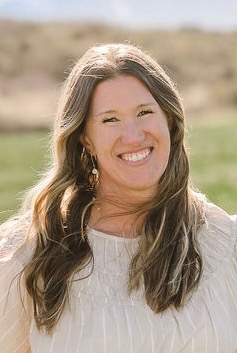
Sarah C Gudmunson has served as a Case Manager at the Robert G. Sanderson Community Center of the Deaf and Hard of Hearing since early 2025. She is passionate about providing advocacy and support to Deaf and Hard of Hearing individuals of all ages and backgrounds, helping them access the resources and services they need to thrive.With more than 20 years of experience working within the Deaf community, Sarah has served in a variety of roles, including organizing large community events, leading Deaf youth programs, and teaching sign language to families. She is dedicated to empowering clients through self-advocacy, education, and individualized support, enabling them to achieve their goals and live successful, independent lives.Outside of work, Sarah enjoys spending time with her husband and three children. Together, they love camping, playing games, watching movies, and exploring the outdoors.
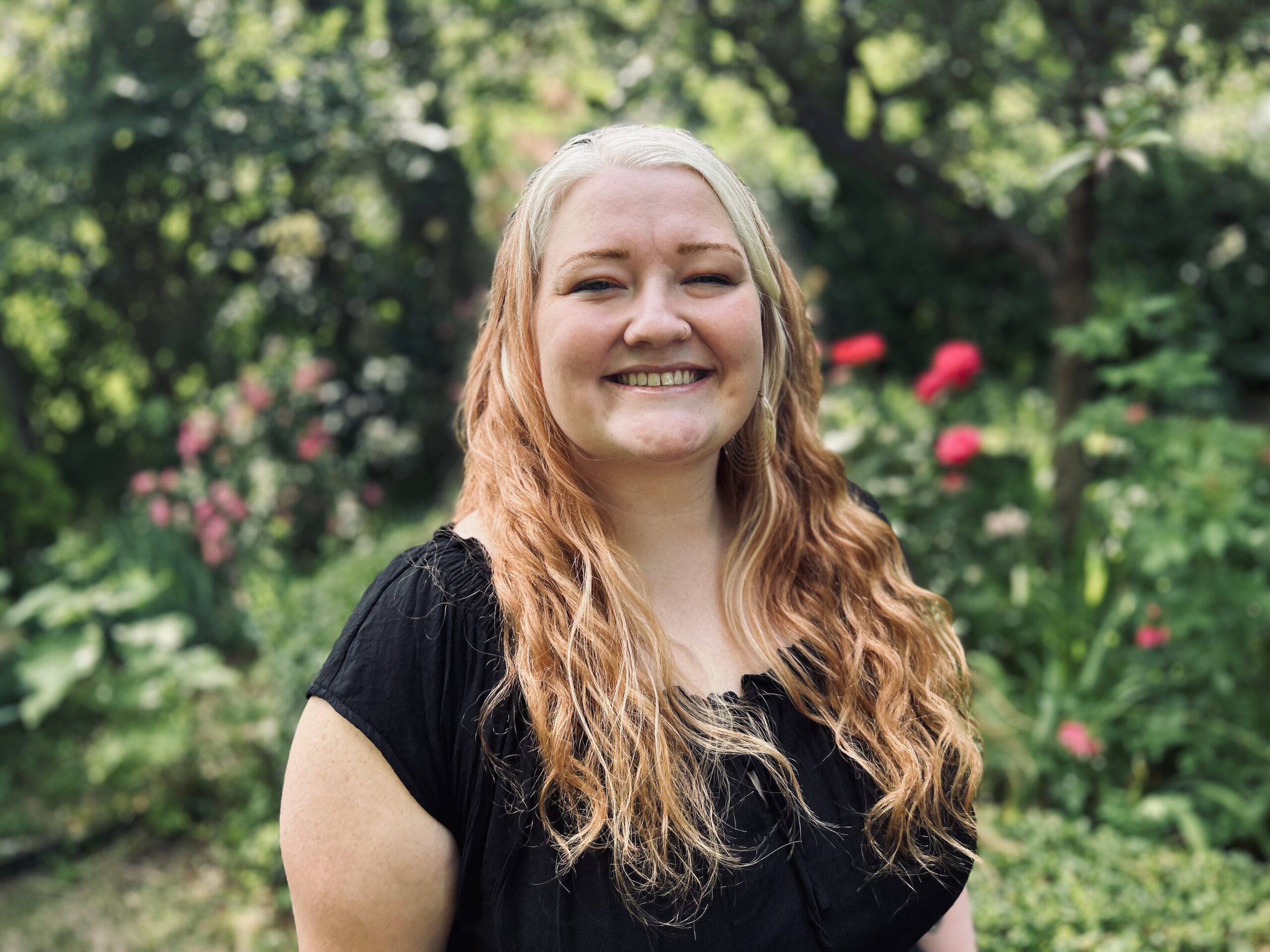
Co-presenter: Jasi Sefcik-Razo has served as a Communication Assessor since 2022 at the Robert G. Sanderson Community Center of the Deaf and Hard of Hearing in Salt Lake City, Utah. In this role, she conducts comprehensive communication assessments for Deaf and Hard of Hearing individuals, evaluating language use, communication preferences, and accessibility needs across educational, employment, and community settings. Jasi is a graduate of Texas State University in San Marcos, near Austin. She brings several years of experience teaching American Sign Language (ASL) and Deaf culture at the Austin Sign Language School.She has shared her expertise through presentations for state agencies and interpreters working with Deaf individuals, promoting effective communication strategies and greater cultural awareness.Outside of her professional work, Jasi enjoys exploring the outdoors, especially hiking through national parks, and keeping up with her energetic 10-month-old puppy.
Beyond Equivalence: Hermeneutic Frameworks in Medical and Legal Interpreting
This presentation defines hermeneutic frameworks and examines how they shape meaning-making, ethical decision-making, and cross-cultural mediation in medical and legal interpreting.
CEUs: Approved 1 CE CEAP/CCHI, 0.1 CEU IMIA/NBCMI; 1 CE RID/UIP; 1 CE ATA
Abstract
Medical and legal interpreters routinely navigate complex communicative situations where meaning cannot be transferred through linguistic equivalence alone. Drawing on the concept of hermeneutic frameworks, this presentation explores how interpreters rely on culturally and institutionally informed interpretive models and their personal hermeneutic framework when mediating communication in high-stakes environments. Focusing on medical and legal contexts, the session examines how interpreters negotiate ambiguity, register, discourse conventions, and culturally embedded meaning while balancing professional expectations of neutrality and accuracy. Through professional scenarios and examples, participants will analyze how their hermeneutic framework influences interpreter choices involving informed consent, witness testimony, trauma narratives, and culturally specific concepts lacking direct linguistic equivalence. The presentation also considers the implications of interpreter visibility, ethics, and institutional discourse for professional practice. By connecting translation theory with real-world interpreting challenges, the session encourages reflective practice and deeper awareness of one’s individual hermeneutic framework, cultural competence, and cultural humility.
Dr. Daryl Hague completed a Spanish translation degree along with a philosophy minor at BYU. Upon graduating from BYU, Dr. Hague enrolled in the University of Washington’s law school. He did some legal translation during that time and also served as a member of the Law Review. After graduating from law school, Dr. Hague practiced law in Anchorage, Alaska. After three years of law practice, Dr. Hague recognized that Spanish was his first love and decided to seek an academic career in Spanish. He then earned his master’s in Spanish Pedagogy (BYU, 1996) and his doctorate in Comparative Literature (2002, SUNY-Binghamton). He considers his most meaningful work to be his translation training articles and his recent translations of two novels by Nicaragua’s Sergio Ramírez: Ya nadie llora por mí and Tongolele no sabe bailar. He was promoted to full professor in 2022.

Co-presenters: Brigitte Morales, CMI, adjunct faculty at Brigham Young University
The Interpreter’s Eye: Using Visual Art to Strengthen Observation and Cultural Competence
Through guided art observation activities and interactive exercises inspired by museum education practices, this session explores how visual literacy and “slow looking” can strengthen medical interpreters’ observational skills, cultural competence, empathy, and reflective practice.
CEUs: Approved 1 CE CEAP/CCHI, 0.1 CEU IMIA/NBCMI; 1 CE RID/UIP; 1 CE ATA
Abstract
Medical interpreters must constantly observe and interpret meaning beyond spoken language, including emotion, gesture, silence, cultural cues, and interpersonal dynamics. Inspired by Shari Tishman’s Slow Looking: The Art and Practice of Learning Through Observation, this highly interactive session uses visual art exercises to help interpreters strengthen observation, reflective attention, and cultural awareness in healthcare settings. Co-presented by a medical interpreter and a museum education specialist, the workshop introduces hands-on museum-based practices such as slow looking, evidence-based description, perspective-taking, and interpretation through observation. Participants will engage directly with artworks and visual prompts to examine how assumptions, cultural frameworks, and emotional responses shape interpretation. The session connects these practices to real-world medical interpreting scenarios involving patient communication, trauma narratives, empathy, and the “healer’s art” tradition of attentive care. Attendees will leave with practical interdisciplinary strategies that can immediately support more thoughtful, culturally responsive, and observant interpreting practice.

Brigitte was born in Zurich, Switzerland, and raised in the Netherlands and Switzerland. She enrolled at the University of Zurich as an English major/Spanish minor. A requirement for a prolonged stay in an English-speaking country brought her to BYU, where she obtained a B.A. in German and Spanish translation/interpretation with a minor in English, and an M.A. in Spanish linguistics. After three decades of working as a translator/editor and project manager for local companies and as a freelance translator and medical interpreter, she returned to BYU as adjunct faculty, where she teaches Spanish composition and translation/interpretation courses. She enjoys developing and sharing new skills and making connections between disciplines!

Co-presenter: Connie Broadbent earned a B.A. in Elementary Education from Utah Valley University and an M.A. in Art Education from Brigham Young University. After teaching fifth grade, she spent 13 years as an elementary art teacher, where she worked with many multilingual learners. During that time, she also served as an adjunct instructor in the Art Education Department at Brigham Young University. She later became an instructional coach for elementary art teachers and now serves as a Museum Educator at the Brigham Young University Museum of Art. Connie is passionate about making art accessible and meaningful for people of all ages. She enjoys creating her own artwork, writing poetry on vintage typewriters, and studying Italian.

Founded in 1889 as Weber Stake Academy in Ogden, Utah, Weber State University (WSU) has grown from a small local academy into one of Utah’s leading public universities. Over its history, WSU evolved into a state junior college in 1933, began awarding bachelor’s degrees in 1964, and became Weber State University in 1991—recognized as Utah’s first comprehensive regional university while continuing its strong commitment to student access and community engagement. [weber.edu]
Today, Weber State is known for its dedication to affordable, high-quality education, hands-on learning opportunities, and strong connections to the communities it serves. Nestled on the foothills of the Wasatch Mountains overlooking Ogden and the Great Salt Lake, WSU provides an inspiring setting for innovation, collaboration, and academic excellence. [weber.edu]
As the Venue Sponsor of the 2026 Utah Language Access Conference, Weber State University exemplifies a long tradition of empowering students, strengthening communities, and preparing leaders who make a difference throughout Utah and beyond. We encourage conference attendees to learn more about the university by visiting the Weber State University website. [weber.edu]

If you will be traveling from far away for the conference, here are some suggested accommodations. ULAC does not have special event pricing with any hotel in the area, but Weber State University has a relationship with the Hampton Inn & Suites in downtown Ogden (a 20-minute bus ride away from campus on a bus line that is free to use). Another great option in downtown Ogden would be the Marriott.
Contact admin@utianet.org with any questions about this event.